
Online Safety Tips for REALTORS®
Louisiana Realtors • October 23, 2018
Technology is changing the way we do just about everything in our lives, especially from a business perspective. The convenience of the connectivity that the internet provides makes our professional performance more efficient, agile, and thorough; but it’s not without its risks. With more and more prospecting, organization, and transactional operations moving in a digital direction, it is very important to be aware of online dangers, and how to avoid them. Here are a few tips to keep you and your clients safe.
Protect Your Wireless Router
One of the simplest and most common points of entry to your data is your office’s wireless router. Be sure to change the router’s password from the factory’s default one. This will help to prevent someone from gaining access to your network, installing malicious software, tracking your key strokes, and stealing sensitive information.
Be Aware of Phishing Attempts
Not all digital attacks occur from behind the scenes of a firewall. Many times information can be accessed, or access can be granted without a single line of code. Phishing is the practice of sending what appears to be a legitimate email from a reputable company (like a bank), asking for information like passwords, account numbers, etc. When you respond to these requests or click on any attached links, you are providing all of the information and access needed to compromise your data and/or your network. If you suspect that an email may not be a legitimate inquiry, contact the company’s main support line before you respond.
Mobile Devices Are Also Susceptible
More work is being done on mobile devices than ever before. The capabilities of phones and tablets have made it easier to work while on the go. However, the information that is shared, sent, and stored on these devices can also be compromised without the proper precautions. Be sure to encrypt all of your inbound and outbound data. This prevents anyone but the intended recipient from being able to use the information. This can be easily be done on iPhone and Android devices. It’s also a good idea to avoid using unsecured wireless networks while you are out and about.

Want Your Teen to Own a Home Someday? Start Talking Money Now Teens may not be thinking about mortgage rates or down payments just yet, but the money habits they’re building now can follow them for years. And 88% of teens surveyed by Fannie Mae and Junior Achievement said they want to own a home someday. This week’s Consumer Guide: Talk to Your Teens About Money and Homeownership makes those conversations a little easier, covering everything from credit scores and budgeting to debt, renting versus owning and saving for that eventual down payment. So yes, you may have to interrupt the doomscrolling. But helping teens get smarter about money today could put them in a much better position to get the keys to a home of their own down the road. Download all of NAR’s Consumer Guides in English or Spanish at facts.realtor. For ease of reference, below is a list of the most recent guides: NEW: Teen Financial Literacy Fraud Red Flags Helping Family Members Become Homeowners Prepare Your Home for Hurricane Season Condominium Insurance Thank you for your continued engagement with the “Consumer Guide” series and for sharing the resources with prospective clients to ensure they have the information they need to find success in their home buying or selling journey. Remember that these guides are for informational purposes only and are not meant to enact or change any existing NAR policy. The next Consumer Guide, scheduled for publication on Oct. 21, will cover winter cold and storm preparedness.

Homeownership Is on Louisiana's November Ballot
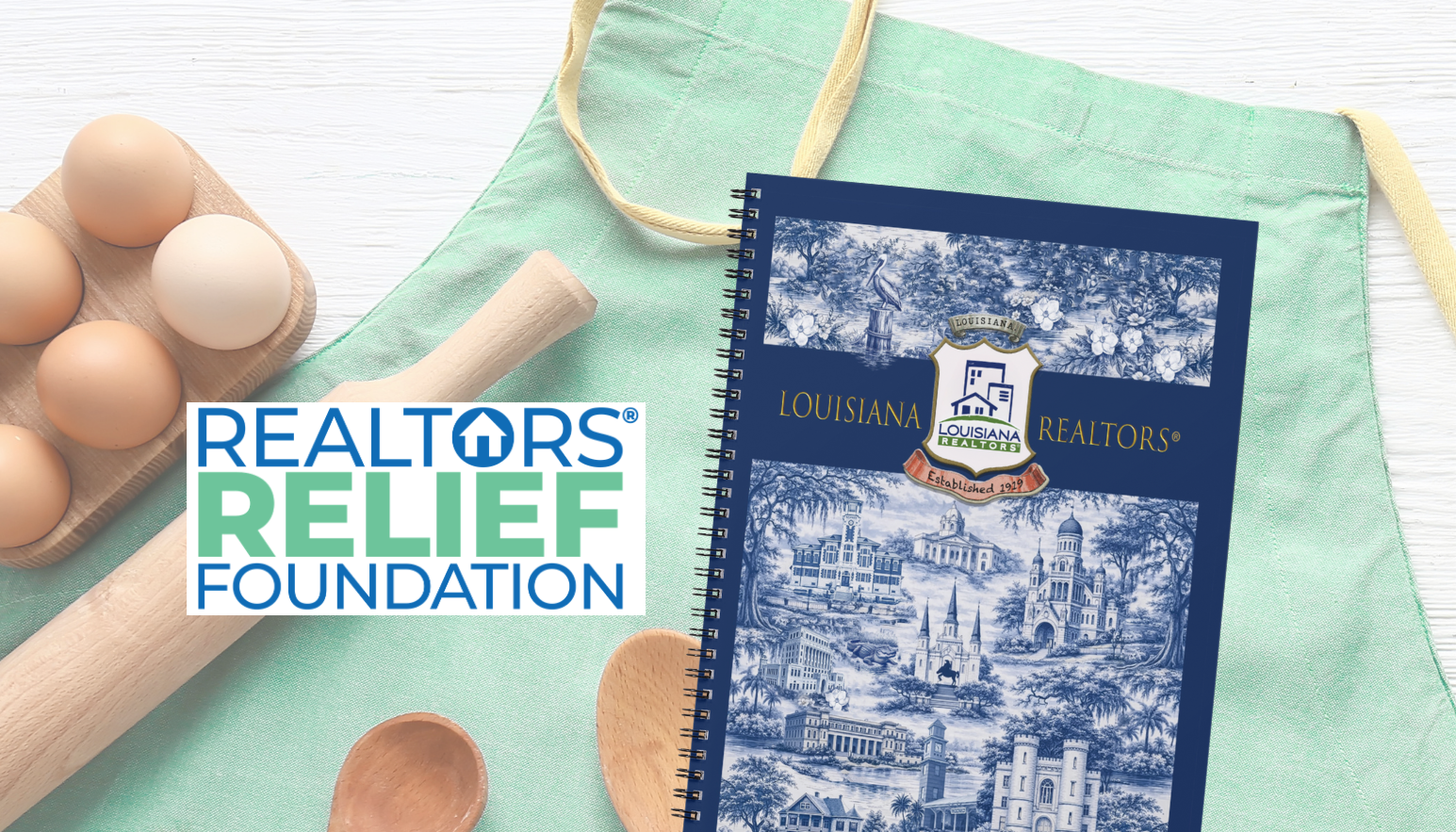
After months of gathering recipes from across our Louisiana REALTORS® family, the cookbook is ready! This 200+ page collection is filled with Louisiana flavor, REALTOR® heart and recipes contributed by our members. We launched sales of the cookbook at the Fall Governance Meetings. You can now purchase your copy for $30 directly from the printer and shipped to you! Additionally, we will have copies available at the RRF booth at NXT . After NXT, we will carry a limited stock at the LR office for you to purchase through the LR Merch Shop and pick-up from the office or at an LR event, as stock is available. Even better, $15 from every cookbook sold will be donated to the REALTORS® Relief Foundation (RRF) to help provide housing-related assistance to REALTORS® and their families following disasters. Pick up a copy for yourself, grab one as a gift and enjoy a taste of Louisiana while supporting a great cause!