
NFIP Reform Bill Passes House with Bipartisan Support
Amy Fennell • November 16, 2017
Source: Stamford Advocate - House Passes Bill to Renew Flood Insurance Program
Washington, D.C. - The House on Tuesday , November 14 backed legislation that will increase flood insurance premiums for many property owners to help firm up a program under stress from ever-more frequent and powerful storms. The bill's passage was secured when sponsors made a variety of changes to accommodate lawmakers determined to protect constituents from even steeper rate hikes or from being booted out of the program altogether. The vote was 237-189.
The program is the only flood insurance available to most Americans. Homeowners who live in areas that have a 1 percent chance of being inundated by flood waters in any given year must purchase flood insurance as a condition of having a federally backed mortgage.
But the premiums paid by policyholders are not keeping up with the expense of flood claims. Massive storms such as Hurricane Katrina and Superstorm Sandy generated huge expenses, and with climate change, the scope of flooding seems only to get worse.
The House Financial Services Committee passed legislation in June reauthorizing the National Flood Insurance Program for five years. Some of the changes sought had strong bipartisan support, such as clarifying that flood insurance policies written by private carriers satisfy the government's requirements when it comes to obtaining a federally backed mortgage.
Yet, other aspects of the bill would have increased costs beyond what some Republicans could accept.
Behind the scenes, Texas Rep. Jeb Hensarling, the Republican chairman of the Financial Services Committee, negotiated with Majority Whip Steve Scalise, R-La., on a compromise. The final legislation removed a provision that would have prohibited the program from insuring newly constructed structures after 2021 as well as a provision prohibiting insurance for houses with replacement values exceeding $1 million.
The lawmakers also agreed that the program would account for frequently flooded properties by increasing premium rates based on future flood claims rather than on past flood claims.
"This bill is important. It has really good reforms for taxpayers. It gives real certainty to policyholders," said Scalise, whose congressional district covers most of southeast Louisiana and was devastated by Hurricane Katrina.

Want Your Teen to Own a Home Someday? Start Talking Money Now Teens may not be thinking about mortgage rates or down payments just yet, but the money habits they’re building now can follow them for years. And 88% of teens surveyed by Fannie Mae and Junior Achievement said they want to own a home someday. This week’s Consumer Guide: Talk to Your Teens About Money and Homeownership makes those conversations a little easier, covering everything from credit scores and budgeting to debt, renting versus owning and saving for that eventual down payment. So yes, you may have to interrupt the doomscrolling. But helping teens get smarter about money today could put them in a much better position to get the keys to a home of their own down the road. Download all of NAR’s Consumer Guides in English or Spanish at facts.realtor. For ease of reference, below is a list of the most recent guides: NEW: Teen Financial Literacy Fraud Red Flags Helping Family Members Become Homeowners Prepare Your Home for Hurricane Season Condominium Insurance Thank you for your continued engagement with the “Consumer Guide” series and for sharing the resources with prospective clients to ensure they have the information they need to find success in their home buying or selling journey. Remember that these guides are for informational purposes only and are not meant to enact or change any existing NAR policy. The next Consumer Guide, scheduled for publication on Oct. 21, will cover winter cold and storm preparedness.

Homeownership Is on Louisiana's November Ballot
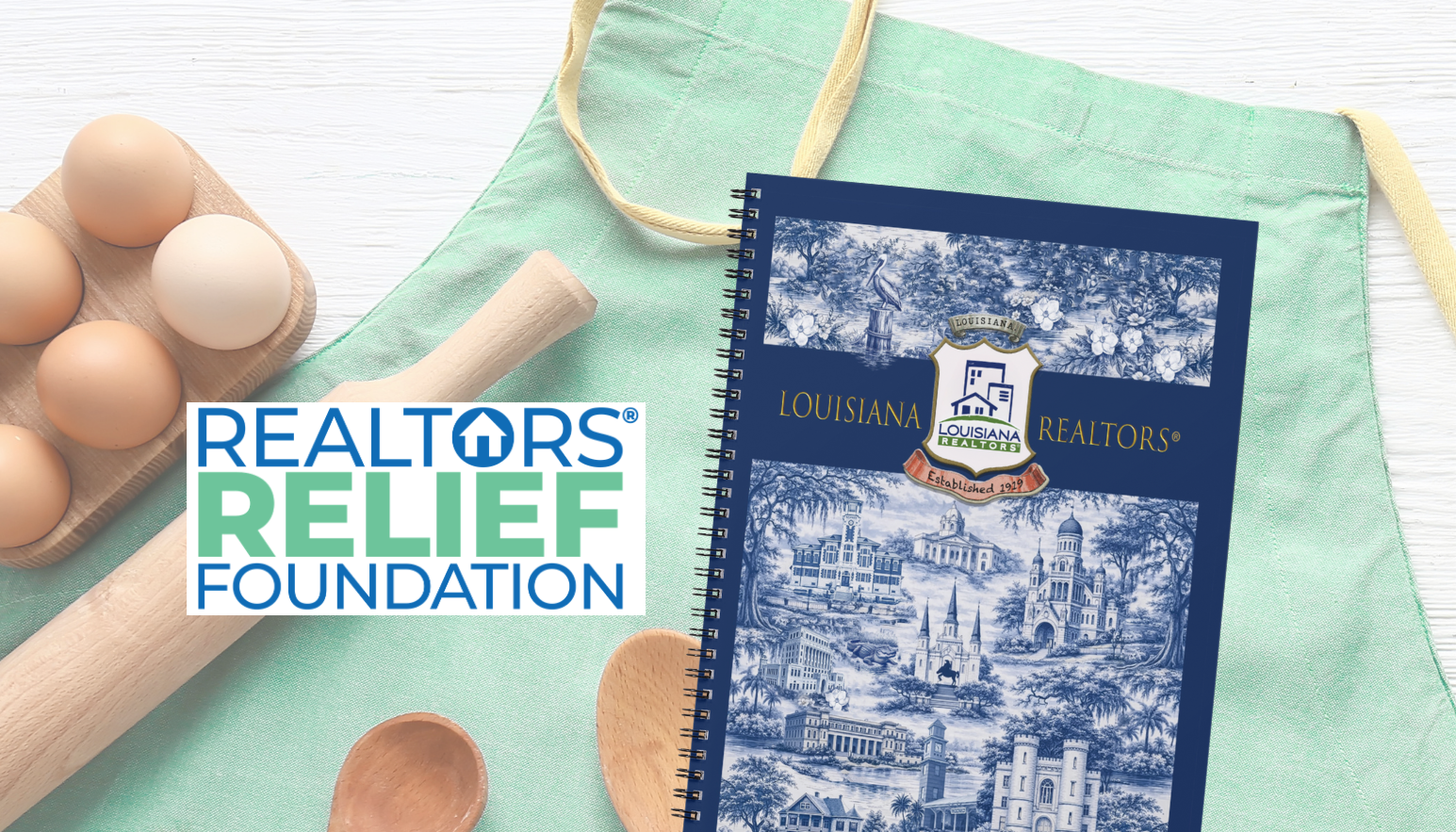
After months of gathering recipes from across our Louisiana REALTORS® family, the cookbook is ready! This 200+ page collection is filled with Louisiana flavor, REALTOR® heart and recipes contributed by our members. We launched sales of the cookbook at the Fall Governance Meetings. You can now purchase your copy for $30 directly from the printer and shipped to you! Additionally, we will have copies available at the RRF booth at NXT . After NXT, we will carry a limited stock at the LR office for you to purchase through the LR Merch Shop and pick-up from the office or at an LR event, as stock is available. Even better, $15 from every cookbook sold will be donated to the REALTORS® Relief Foundation (RRF) to help provide housing-related assistance to REALTORS® and their families following disasters. Pick up a copy for yourself, grab one as a gift and enjoy a taste of Louisiana while supporting a great cause!