
Critical Role in Advancing the Build Back Better Plan
Houses Passes Build Back Better Plan - Spares Real Estate Investment from Taxes
“Our advocacy operation is bipartisan and focused on the issues. Our goal was to ensure this legislation includes robust funding for affordable and fair housing and protects real estate investment from misguided and harmful new taxes,” says Shannon McGahn, chief advocacy officer for NAR.
Tax Provisions Spare Real Estate Investments
The House-passed bill is partially offset with new taxes on high-income individuals and businesses and new money for increased IRS enforcement, but the tax increases most likely to harm real estate investment were excluded.
“Some of the earlier tax proposals floated would have devastated the real estate sector, which makes up nearly one-fifth of the entire economy,” McGahn says. “This revised bill has no 1031 like-kind exchange limits, no capital gains tax increases, no change in step-up in basis, no tax on unrealized capital gains, no increased estate tax, no carried-interest provisions, and no 199A deduction limits.
The plan also includes an increase in the state and local tax deduction limit. The current $10,000 SALT deduction cap would be raised to $80,000 through 2030.
Historic Investment in Affordable Housing
The House-passed bill also includes a $150 billion investment in affordable housing, a key NAR priority and focus of its advocacy efforts for the past year.
In addition, House leaders added back several programs not included in the original framework announcement, including $12 billion to expand the Low-Income Housing Tax Credit and $6 billion for a new initiative, the Neighborhood Homes Investment Act. NAR is a supporter of both programs.
Under the revised bill, public housing and rental assistance get funding boosts. The bill would also create more than 1 million new affordable rental and single-family homes and invest in down payment assistance. The White House says the down payment assistance under the plan would allow “hundreds of thousands of first-generation homebuyers to purchase their first home and build wealth.”
The bill includes funding for the following programs in the housing section:
- $65 billion for formula- and needs-based public housing programs.
- $25 billion for the HOME Investment Partnerships Program to construct and rehabilitate affordable homes for low-income families, and $750 million for a new Housing Investment Fund to leverage private-sector investments to create and preserve affordable homes.
- $24 billion for housing choice vouchers and support services, including for individuals at risk of homelessness and for survivors of domestic violence and sexual assault.
- $10 billion to offer down payment assistance to first-generation home buyers, and $5 billion for a home loan program to subsidize 20-year mortgages for first-generation home buyers.
- $5 billion to address lead paint and other health hazards in housing for low-income families.
- $3.05 billion for the Community Development Block Grant program.
- $3 billion for a new Community Restoration and Revitalization Fund offering competitive grants to local partnerships led by nonprofits for accessible housing and neighborhood revitalization initiatives.
- $2 billion for rural rental housing to support new construction, the removal of safety hazards, and energy efficiency improvements.
- $2 billion for a new grant program to make energy efficiency upgrades to affordable housing.
- $700 million for the Fair Housing Initiatives Program and $100 million for the Fair Housing Assistance Program.
The National Association of REALTORS Plays a Critical Role
As negotiations continued in recent weeks, media reports suggested that housing provisions might be cut from the bill altogether.
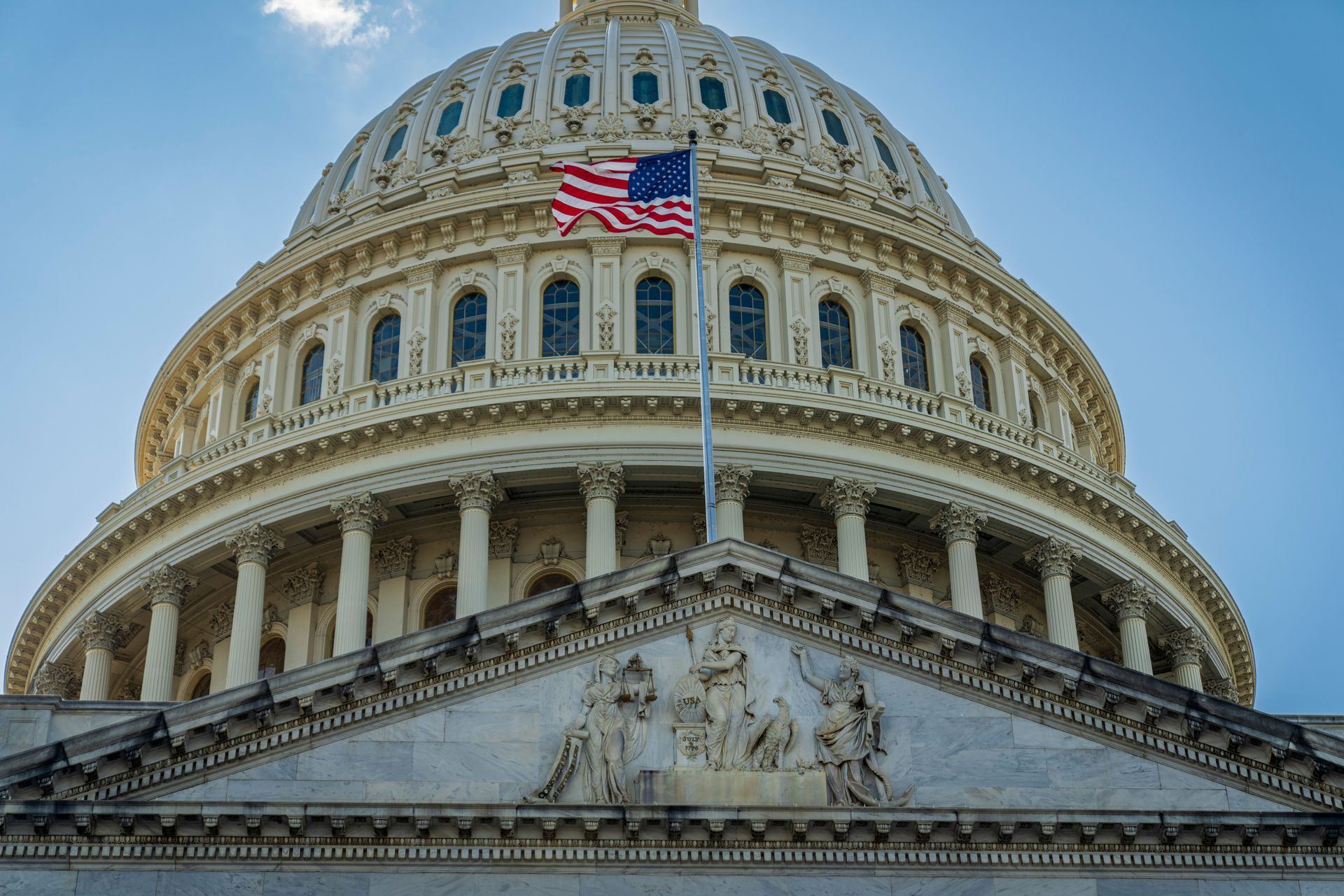
In response, NAR CEO Bob Goldberg joined other housing leaders and key members of Congress at the U.S. Capitol Oct. 20 for a press conference calling for the inclusion of affordable housing provisions in the final bill.
”As a nation, we have to find ways to close the supply shortfall,” Goldberg said at the press conference. “Doing so will be particularly meaningful for lower-income households, millennials, and households of color.”
“We continued to press both publicly and privately for these provisions,” McGahn says.
“Affordable housing is the key to unlocking prosperity for millions of Americans currently excluded from the American dream. This investment is critical for closing the racial homeownership gap and addressing income disparity. It opens up homeownership for first-generation and first-time buyers.”